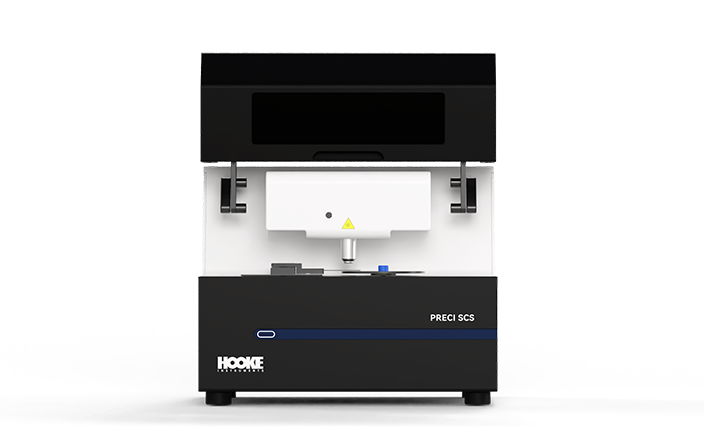


Nature Sustainability: PRECI SCS Enables Function-Targeted Discovery of Methanotrophic PAOs for Decarbonized Phosphorus Recovery
-
Customer
-
Cornell University

-
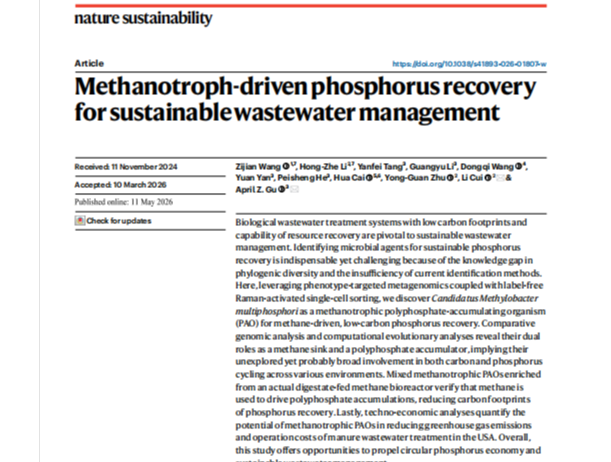
In a landmark Nature Sustainability study, researchers from Cornell University, the Chinese Academy of Sciences and collaborating institutions used the PRECI SCS single-cell sorting platform from Hooke Instruments to discover rare functional microorganisms for low-carbon phosphorus recovery.
Using Raman-activated single-cell sorting, the team identified high-polyphosphate-accumulating cells from a wastewater bioreactor and recovered genomic information from the sorted cells. This enabled the discovery of Candidatus Methylobacter multiphosphori, a methanotrophic polyphosphate-accumulating organism that links methane utilization with phosphorus storage.
The study highlights the value of Hooke's single-cell sorting technology in connecting microbial phenotype with genomic identity, providing a powerful approach for function-targeted microbial discovery in sustainable wastewater management.
In the following sections, we examine the scientific challenge, workflow, key findings and technology value behind this study.
01. Scientific Challenge
Sustainable wastewater management requires technologies that can recover phosphorus while reducing greenhouse gas emissions. However, conventional biological phosphorus recovery often depends on external carbon sources, increasing both operational costs and carbon footprints.
A key challenge is identifying rare functional microorganisms that can drive low-carbon phosphorus recovery. Bulk metagenomics can reveal community-level genetic potential, but it often fails to directly link microbial function with individual cells. Therefore, a single-cell method is needed to identify, sort and analyze microorganisms based on their actual functional phenotype.
02. Experimental Workflow
The study established a function-targeted single-cell workflow to discover microorganisms with high polyphosphate accumulation.
Single-cell Raman spectroscopy was first used to identify cells with strong polyP-related signals from a low-carbon phosphorus recovery bioreactor. Target cells were then isolated using the PRECI SCS single-cell sorting platform and subjected to minimetagenomic sequencing to recover their genomic information.
The discovered microorganisms were further evaluated through genomic analysis, metabolic reconstruction, pure-culture verification, mixed-community batch tests and techno-economic modeling, linking single-cell phenotype to environmental function and engineering potential.
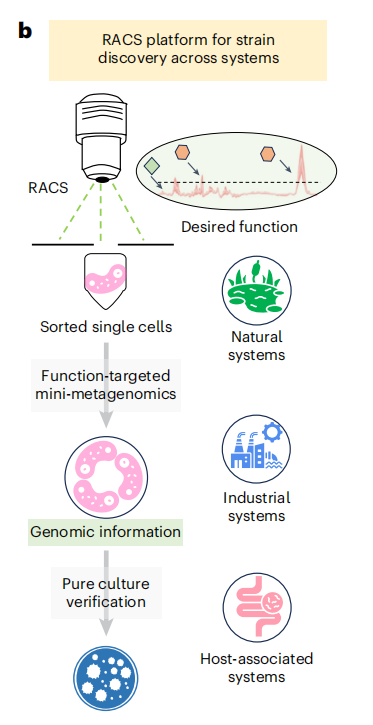
Figure1: Function-Targeted Single-Cell Discovery Workflow
03. Key Findings
3.1 RACS enabled the discovery of methanotrophic PAOs
Using Raman-activated single-cell sorting, the researchers identified high-polyphosphate-accumulating cells from a low-carbon phosphorus recovery bioreactor. Downstream minimetagenomic analysis revealed a rare methanotrophic PAO, named Candidatus Methylobacter multiphosphori, which links methane utilization with intracellular polyphosphate accumulation.
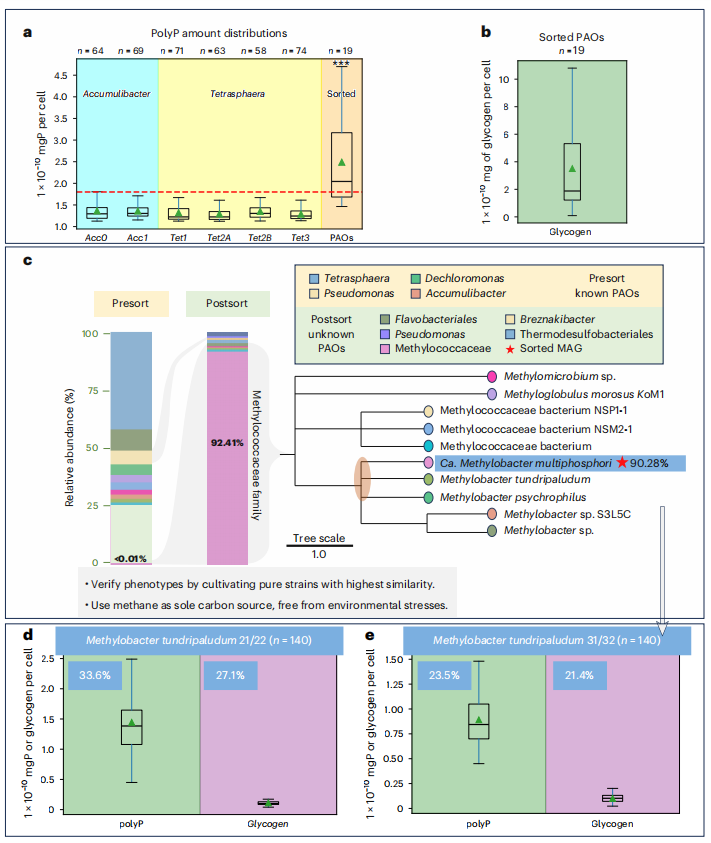
Figure2:RACS Discovery of Methanotrophic PAOs
This figure shows that RACS enriched rare high-polyP cells from a complex bioreactor community and enabled genomic identification of Ca. Methylobacter multiphosphori.
3.2 Genomic and metabolic analyses support dual methane and phosphorus functions
Comparative genomic analysis showed that methanotrophic PAOs carry genes related to methane oxidation, methane assimilation, phosphate transport and polyP metabolism. These results support their dual role as both methane-consuming microorganisms and polyphosphate accumulators.
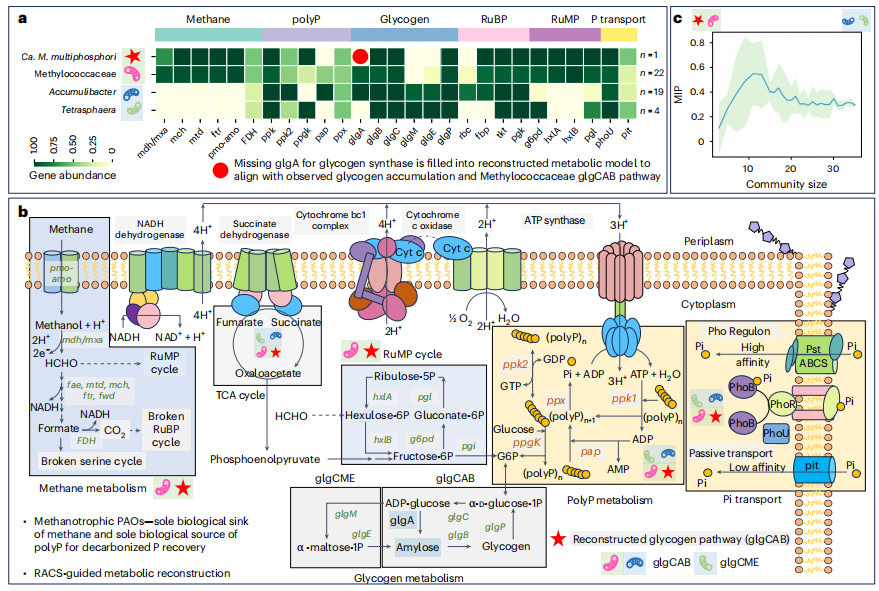
Figure3: Genomic Evidence for Methane-Driven PolyP Accumulation
This figure links the Raman-observed phenotype with genomic and metabolic evidence, explaining how methane metabolism may support phosphorus storage.
3.3 Engineering tests demonstrate low-carbon phosphorus recovery potential
Batch tests using pure and mixed methanotrophic PAO cultures confirmed that methane can serve as the carbon source for phosphorus removal and intracellular polyP accumulation. Further modeling and techno-economic analysis suggested that methanotroph-driven phosphorus recovery could reduce greenhouse gas emissions and lower operational costs in manure wastewater treatment.
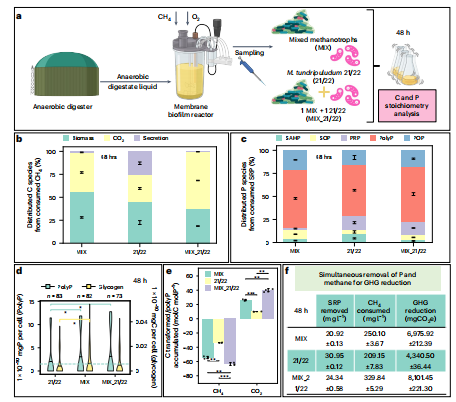
Figure 4: Methane-Driven Phosphorus Recovery by Methanotrophic PAOs
04. Conclusion | Research Impact
This study establishes a powerful workflow for discovering functional microorganisms from complex environmental microbiomes. By combining label-free Raman phenotyping, single-cell sorting, and minimetagenomics, the researchers identified methanotrophic PAOs that connect methane utilization with polyphosphate accumulation.
The discovery of Ca. M. multiphosphori provides a new microbial target for methane-driven, low-carbon phosphorus recovery. More importantly, the study demonstrates how single-cell phenotype-guided sorting can bridge the gap between microbial function and genomic identity.
From a sustainability perspective, methanotrophic PAOs provide a potential biological route to simultaneously reduce methane emissions, recover phosphorus, lower reliance on external carbon sources, and support circular nutrient management in wastewater treatment systems.
05. Technology Value of PRECI SCS
In this study, the PRECI SCS single-cell sorting platform from Hooke Instruments enabled the recovery of Raman-identified target cells from a complex wastewater microbiome.
The platform provided three key values. First, it enabled function-targeted single-cell sorting, allowing researchers to isolate cells based on actual polyphosphate accumulation rather than relying only on bulk community analysis. Second, it supported phenotype–genotype linkage by connecting Raman-detected cellular function with downstream minimetagenomic analysis. Third, it helped recover rare but functionally important microorganisms that would be difficult to identify using conventional bulk methods.
By enabling researchers to move from functional phenotype to genomic identity, PRECI SCS provides a powerful tool for environmental microbiology, functional microbial discovery and sustainable wastewater biotechnology.
06. Research Team
This study was conducted by researchers from Cornell University, the Institute of Urban Environment of the Chinese Academy of Sciences, Xi'an University of Technology, Purdue University, and collaborating institutions.
The corresponding authors are Dr. Li Cui from the Institute of Urban Environment, Chinese Academy of Sciences, and Prof. April Z. Gu from Cornell University. The research team combines expertise in environmental microbiology, wastewater engineering, Raman-based single-cell analysis, metagenomics, metabolic modeling, and techno-economic analysis.
By integrating single-cell phenotyping, microbial genomics, reactor validation, and sustainability modeling, the team transformed the discovery of a rare functional microorganism into a potential engineering strategy for low-carbon phosphorus recovery.
Customer Outcomes
-

 Nature Sustainability| Methanotroph-driven phosphorus recovery for sustainable wastewater management2026.08.03